
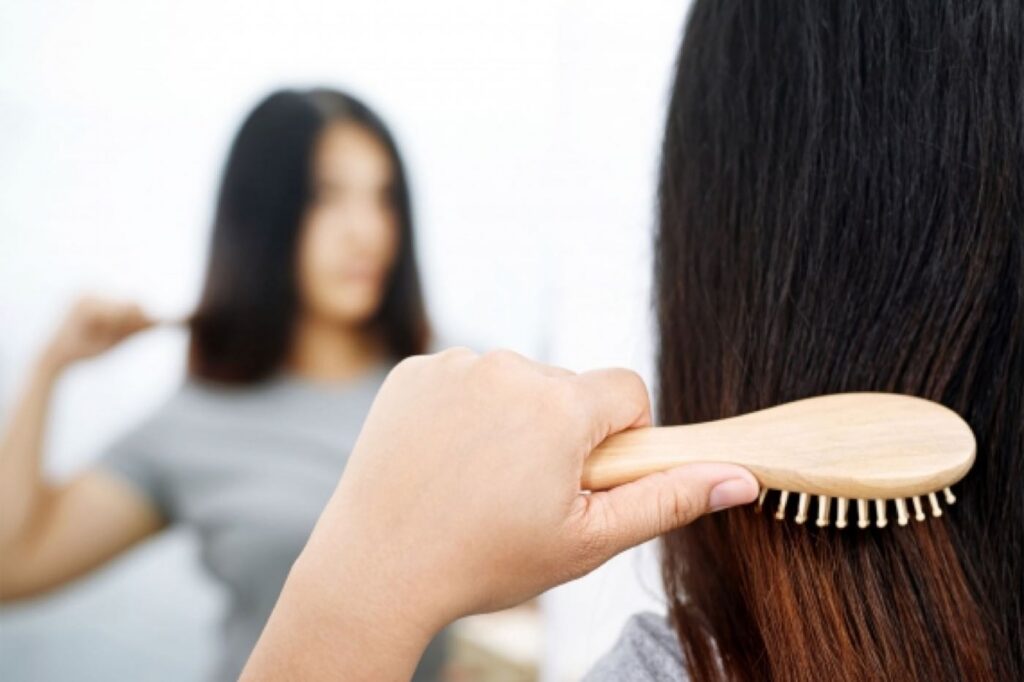
Hair loss is a natural process – losing 50–100 hairs a day is normal. How much hair you lose is also affected by the season, mechanical stress (straightening, blow-drying) and hormonal changes.
How hair loss works
An important component of hair is collagen, and its production drops with age. Collagen forms a sheath around the hair follicle. Scientists have shown that an overly rigid collagen sheath is one of the main causes of premature hair loss.
Because the collagen is too rigid, hair roots anchor less firmly in the scalp. The stiffer sheath also raises the pressure and squeezes the surrounding blood vessels that nourish the follicles through microcirculation. As a result, without the nutrients they need, the follicles shrink and the hair becomes weaker and thinner. With age, more and more follicles lack nourishment, which leads to hair loss.
A rigid collagen sheath around the follicle also prevents it from being fixed deeply and firmly in the dermis, which makes it more likely to fall out.
Causes of hair loss
- Stress – constant stress, emotional distress, serious trauma, surgery, a difficult birth, fasting and strict diets all affect circulation. Poor circulation also means poorer nourishment of the hair follicles;
- Hormonal imbalance after childbirth and during menopause also leads to significant hair loss. In this case only a specialist doctor can help;
- The season – research shows that hair loss increases in March–April and September–October. This is caused by seasonal vitamin deficiency and calls for a better diet and possibly extra vitamins and minerals;
- Environmental pollution;
- An unbalanced diet, fasting, lack of zinc and iron;
- Diseases of the endocrine system – hyperthyroidism and hypothyroidism;
- Serious skin conditions of the scalp;
- Hair loss linked to medication – chemotherapy, antidepressants, anticonvulsants and beta blockers.
Can a diet cause hair loss?
Studies have shown that in many cases hair loss increases within a few months of starting a diet. This hair loss is diffuse and directly linked to nutrition. Once the diet ends, the hair grows back.
A diet lacking nutrients such as protein, iron, zinc or vitamins B and D typically leads to deficiencies that directly affect hair growth. Any unbalanced diet will make hair brittle and dry, even if it is not very strict.
Research confirms that any strict diet is stressful because of the lack of nutrients, and it increases hair loss.
Vitamin deficiency causes hair loss – which vitamins help you have beautiful hair?
Among the vitamins essential for healthy hair, B vitamins are especially important:
- Vitamin B3 (niacinamide) improves blood circulation in the hair root. It is found in large amounts in almonds, mushrooms, asparagus, avocado, berries, black radish, parsley and cabbage;
- Vitamin B5 (pantothenic acid) speeds up hair growth. It is found in celery, cauliflower, hazelnuts and walnuts, garlic and avocado;
- Vitamin B6 boosts the effect of other vitamins and helps strengthen the hair fibre. You can find it in poultry, dried bananas, seeds, kale, spinach and tomatoes;
- Vitamin B8 (biotin) regulates sebum production on the scalp. It is found in brewer’s yeast, mushrooms, legumes, cabbage, almonds, tomatoes and sprouted seeds;
- Vitamin B12 stimulates the renewal of the hair follicle. You will find it in meat, fish, poultry and spirulina.
- Vitamin D also helps prevent hair loss, especially in women. Hair loss due to vitamin D deficiency can be more common in winter, because the body makes this vitamin when exposed to sunlight. In food it is found in cod liver oil, oily fish, offal, eggs, cheese and butter.

Vitamins are extremely important for healthy, well-structured hair, but other nutrients such as protein, carbohydrates, lipids and iron matter too. That is why a balanced and varied diet is essential. If you lose a lot of hair despite a healthy diet, see your doctor. They can find the causes of hair loss and, if you lack nutrients, advise which foods to eat and suggest suitable supplements.
Some supplements, especially those containing vitamin B8 (biotin), are particularly useful for keeping hair healthy.
Sensitive scalp and hair loss
Colouring, blow-drying, straightening, styling and other harsh treatments weaken the scalp’s barrier function, leaving it vulnerable and sensitive. The result is discomfort such as itching, redness, burning or tingling.
Itching itself does not cause hair loss, but the micro-injuries caused by scratching the scalp increase hair loss in some areas. In that case the scalp needs proper care to reduce its sensitivity and stop the hair loss. We recommend seeing a specialist and taking a hair restoration course and sensitive scalp treatment.
Protecting the scalp from harsh external factors helps stop itching and prevent hair loss. Specialists recommend gentle, soothing shampoos made specifically for sensitive scalps. It is best to avoid products with sulphates, which irritate and dry out the scalp.
Rinse out all the shampoo so your scalp does not itch. Wash your hair gently and avoid rubbing hard. Be as careful as possible with styling – any hair treatment can damage the roots and make the scalp more sensitive. Dry your hair at the lowest temperature.
Hair loss after childbirth
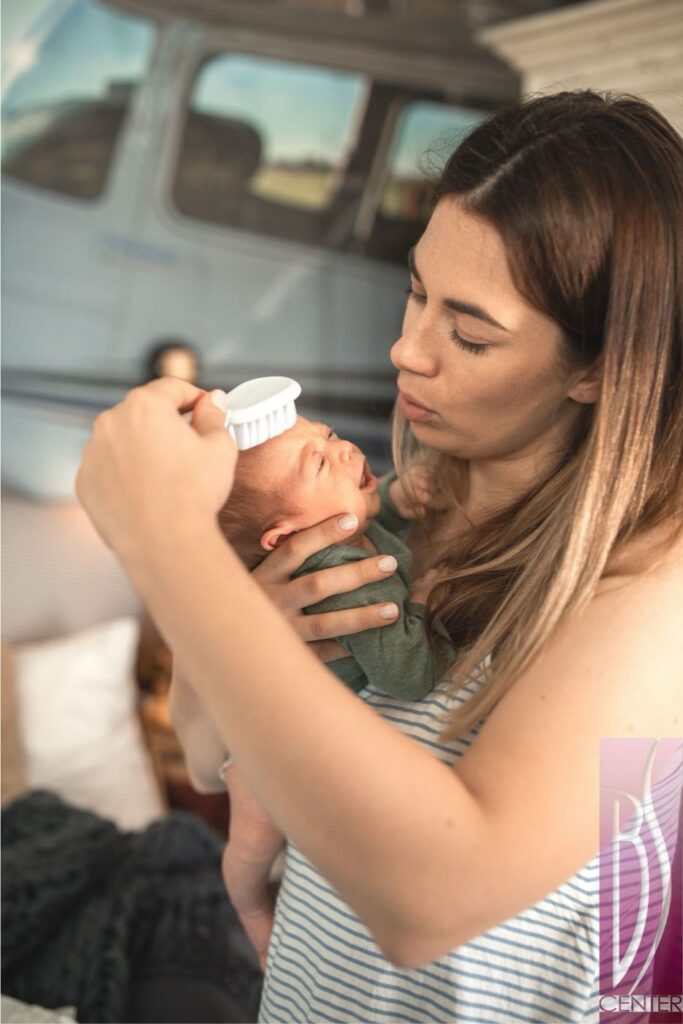
About 90% of new mothers experience sudden, heavy hair loss, which usually starts about three months after the baby is born. The time between birth and the start of hair loss matches the length of the resting (telogen) phase of hair growth: it lasts one to six months, three months on average. This temporary hair loss, known as telogen effluvium, is diffuse and mostly on the top of the head.
During this period women can lose up to 30% of their hair, and the hair that stays is dull and brittle. Although it can last several months, this hair loss is completely normal and reversible, and in most cases hair growth returns 6–12 months after birth.
The main cause of this hair loss is hormones.
During pregnancy the large amount of oestrogen produced by the body stops hair from moving into the telogen phase, so the hair stays in the growth (anagen) phase. During this time many women notice that their hair grows much faster than before, falls out less and looks healthier.
After birth, hormone production changes and returns to its previous level, which triggers a massive shift into the telogen phase. This in turn leads to heavy hair loss known as postpartum hair loss.
Besides hormonal imbalance, lack of sleep, possible nutritional stress and caring for a newborn can also lead to hair loss after birth. A lack of iron or vitamins can be another cause of hair loss in women after childbirth.
Fortunately, in most cases postpartum hair loss is temporary and things return to normal over time. Although it usually needs no treatment, a diet rich in iron and vitamins can help slow down this type of hair loss.
However, if hair loss after birth lasts longer than a year, we recommend seeing a dermatologist or trichologist to find and treat the cause.
Does menopause affect hair loss?
Many women notice overall thinning of their hair during menopause (rather than visible bald patches). The hormonal changes of this period are the main cause of hair loss in women, especially if they are genetically prone to androgenetic alopecia. The biggest hormonal changes during menopause are falling oestrogen and progesterone levels. That is why some women notice their hair getting weaker, thinner and growing more slowly. At the same time, lower levels of these hormones increase the production of androgens (male hormones), especially testosterone, which can make the hair follicles shrink and leads to hair loss. Androgens can also cause unwanted hair on the face and other parts of the body.
During menopause women are also affected by other factors that can contribute to hair loss – mainly high stress, poor nutrition, lack of exercise, illness or insomnia. A number of nutrients (B vitamins, zinc and omega-3 fatty acids) help maintain hormonal balance and healthy hair, and a lack of them can lead to hair loss. Supplements with vitamin B7 (biotin) can be a great help in stopping hair loss. However, never take them on your own – any supplements should be prescribed by a doctor after checking your health.
Which diseases affect hair loss?
Any illness with fever, fatigue or stress can increase hair loss. This type of hair loss, called telogen, is sudden, diffuse and often very heavy. Fortunately it is temporary: once the cause is found and treated, the hair returns to its natural cycle of growth, rest and shedding.
Iron-deficiency conditions often cause hair loss
Iron is an essential trace mineral that plays a special role in keeping hair healthy. A lack of iron makes hair thinner and more brittle and in some cases even causes diffuse hair loss. Any health condition linked to iron deficiency (such as anaemia or chronic inflammatory disease) can therefore cause hair loss.
Alopecia is an autoimmune condition that causes hair loss
It is an autoimmune disorder that affects the hair follicles. It can take different forms, from hair loss in small areas of the scalp (alopecia areata, the most common form) to complete hair loss (alopecia totalis).
Although the exact origin of the disease is still not fully understood, scientists attribute it to autoimmunity. In some patients alopecia areata can disappear over time without any treatment; in others it needs medication. Alopecia can sometimes be linked to other autoimmune diseases (such as thyroid disease). In any case, if you are losing a lot of hair, see a trichologist straight away to find the reasons and choose a treatment plan.
Other autoimmune diseases that cause hair loss
A number of autoimmune diseases that affect the skin and other organs can trigger heavy hair loss – above all lupus erythematosus and Sjögren’s syndrome, two autoimmune diseases that most often affect women. These conditions often cause diffuse hair loss and need comprehensive medical care.
Does wearing a hat affect hair loss?
Contrary to popular belief, wearing a hat or cap does not cause hair loss. Headwear flattens the hair in certain areas, but the pressure is usually not strong enough to damage the follicles. On average we lose 50 to 100 hairs every day, and wearing a hat does not increase that number. It is worth mentioning, though, that a hat that is not cleaned regularly can lead to infections that cause conditions triggering hair loss.
Do only men suffer from alopecia?
Women, like men, can also suffer from hair loss.
Because androgenetic alopecia results from increased exposure of the hair root to androgens, often combined with a genetic predisposition, men tend to be more prone to it than women.
It is worth noting that androgenetic alopecia develops differently in men and women.
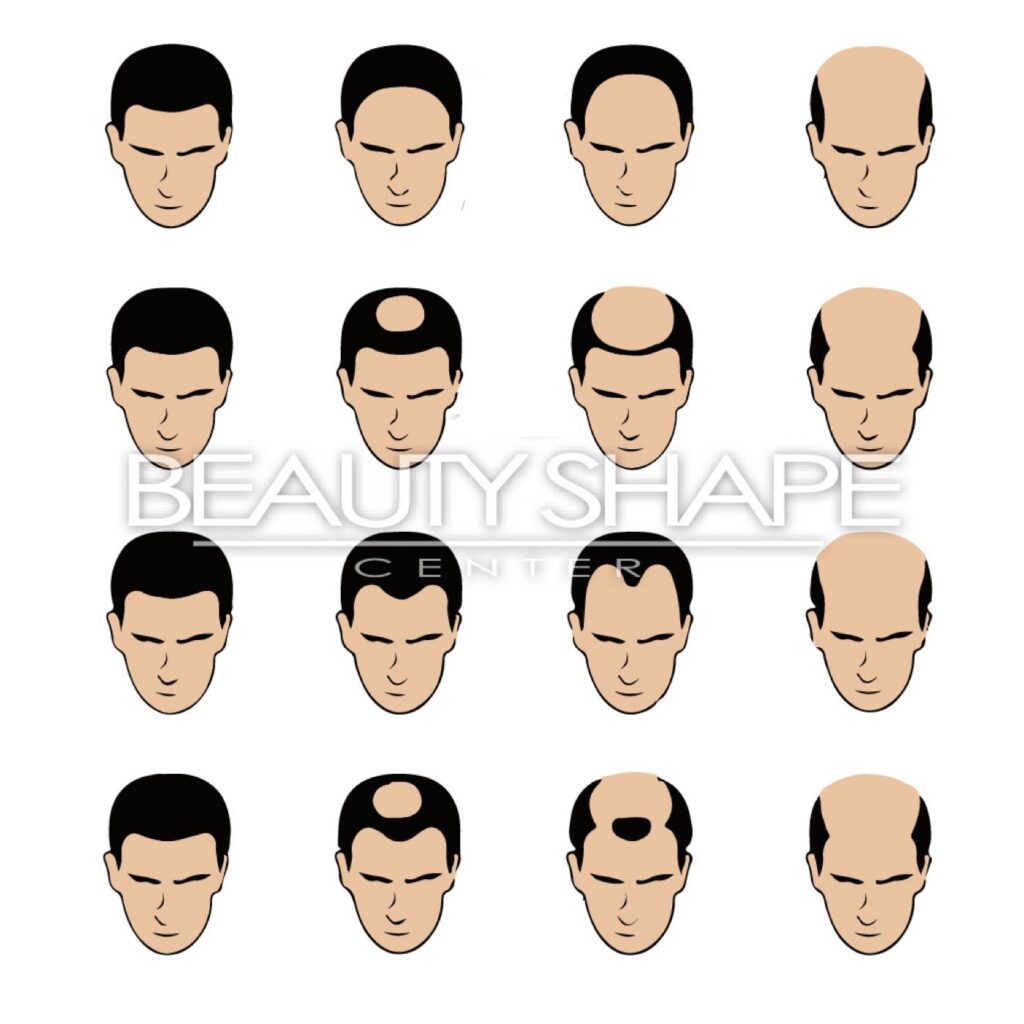
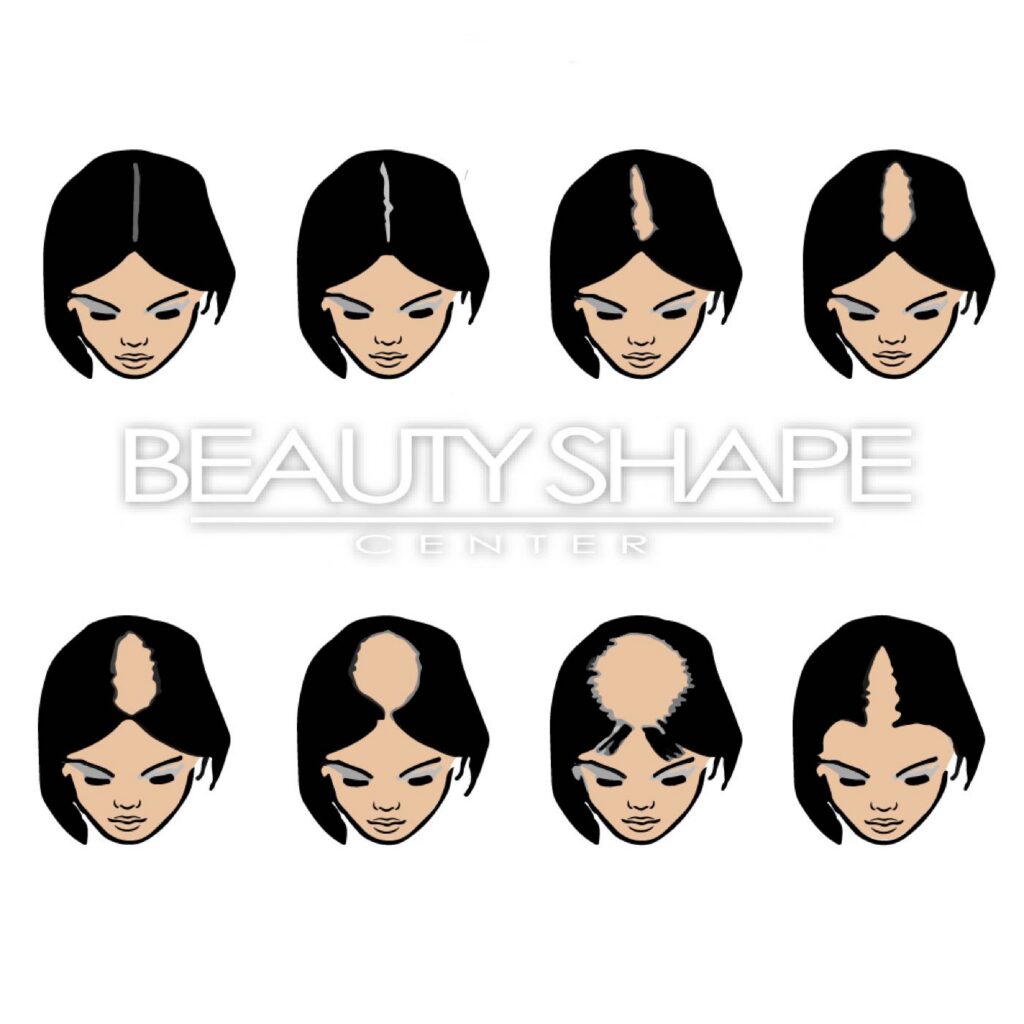
In men, the final stage can be the loss of all hair except a crown around the neck and temples, while in women the hair loss is diffuse and limited to the top of the head – to a greater or lesser extent. Complete baldness in women is very rare and linked to serious illness and chemotherapy.
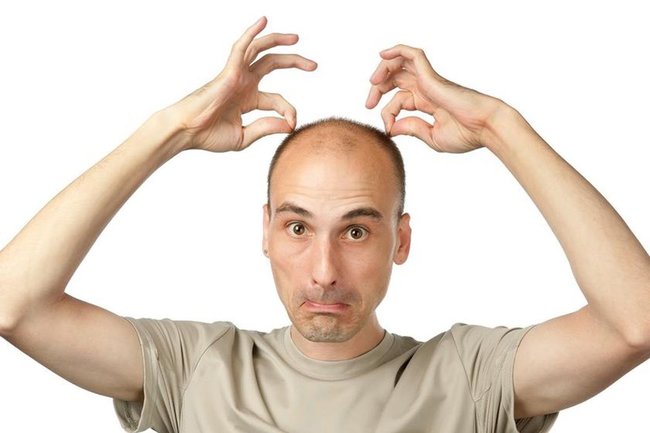
Where to start with hair treatment?
If you notice the first signs of hair loss, start with a consultation with a trichologist. Using computer diagnostics (a trichogram), the specialist determines the number and diameter of your hairs and the condition of your scalp and sebaceous glands. To find the cause of alopecia, you may be offered tests with other specialists: a gynaecologist, endocrinologist, neurologist or general practitioner.
A gynaecologist will help a woman correct a hormonal imbalance. If the hair loss is caused by a disease of the digestive tract, see a gastroenterologist.
Hair loss treatment
Women often rely on home care, but supplements often cannot deal with hair loss as well as professional salon treatments.
Remember that self-treatment can make hair loss worse. Hair loss is often caused by internal problems that need to be addressed as a whole. Before you start using home masks and hair tonics, talk to a specialist – some of them may not be suitable in your case.
There are many physiotherapy methods for alopecia. They all aim to improve blood circulation in the scalp, normalise metabolic processes and strengthen the blood vessels. Widely used treatments for alopecia include hair nourishment programmes, massage, mesotherapy and plasma therapy.
The treatment is chosen for each patient based on the type and stage of the condition and their individual needs.
Mesotherapy – micro-injections of special preparations with vitamins, trace elements and amino acids are delivered into the scalp. These substances help activate circulation, stimulate hair growth and slow down hair loss. Mesotherapy ensures the substances are absorbed as fully as possible. Dormant follicles wake up when they receive the vitamin cocktail and hair grows faster. The doctor prescribes the treatment based on the diagnosis. The bio-cocktails are made individually for each patient and contain vasodilating ingredients, plant-based vitamin complexes, minerals or active amino acids. All the ingredients quickly restore the hair structure along its whole length, strengthen the vessel walls and improve microcirculation in the tissues.
Scalp mesotherapy can also be used to improve hair quality even when there is no increased hair loss. The hair becomes stronger, new hair growth is supported and volume increases.
Hair plasma therapy is an effective technique that restores the health of the hair and scalp using the patient’s own platelet-rich plasma. Using the body’s own resources is a major advantage, as it rules out allergic reactions and side effects.
The method is unique in that the autoplasma, with its high number of the patient’s own platelets, has great potential to stimulate the growth of new cells. Changes are visible after the first treatment: hair grows better, its structure is gradually restored and the follicles stop dying off.
Modern hair loss treatment at the BEAUTYSHAPE centre can stop hair loss and restore growth. Combining home products prescribed by a doctor with in-clinic treatments has a clear and lasting effect: the hair structure is restored and new cells appear for further hair growth. Our specialist will put together a comprehensive hair loss treatment tailored to each client. We help keep your hair healthy and restore its condition!
Find out more about our home hair-care products:
